
Osteopathy
Osteopathy is for people of all ages. It can provide support through different stages of life, from preconception and pregnancy to infancy, childhood, adolescence, adulthood and older age.
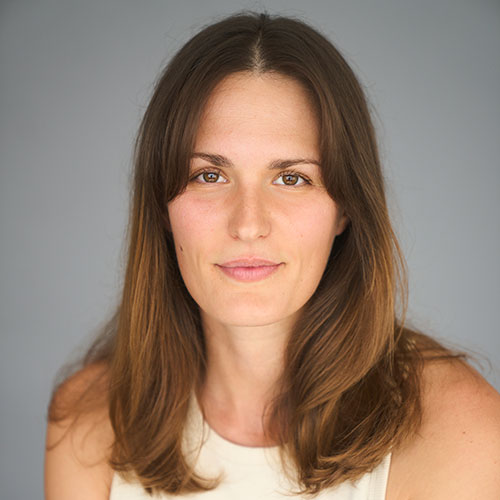
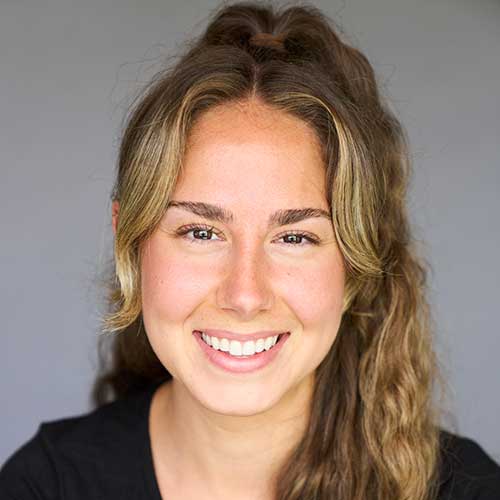
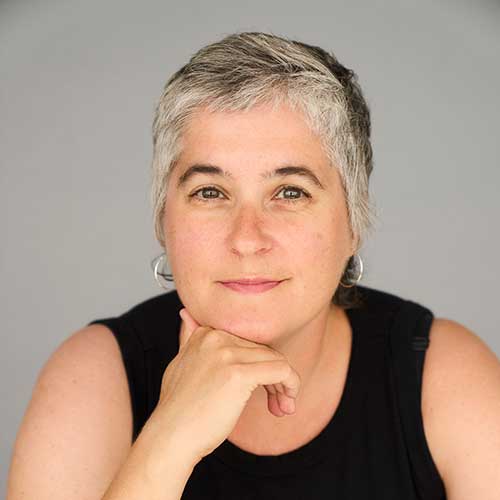
Who provides this service?

A comprehensive manual approach
“Osteopathy is a science, an art and a philosophy.” — Still, 1899.
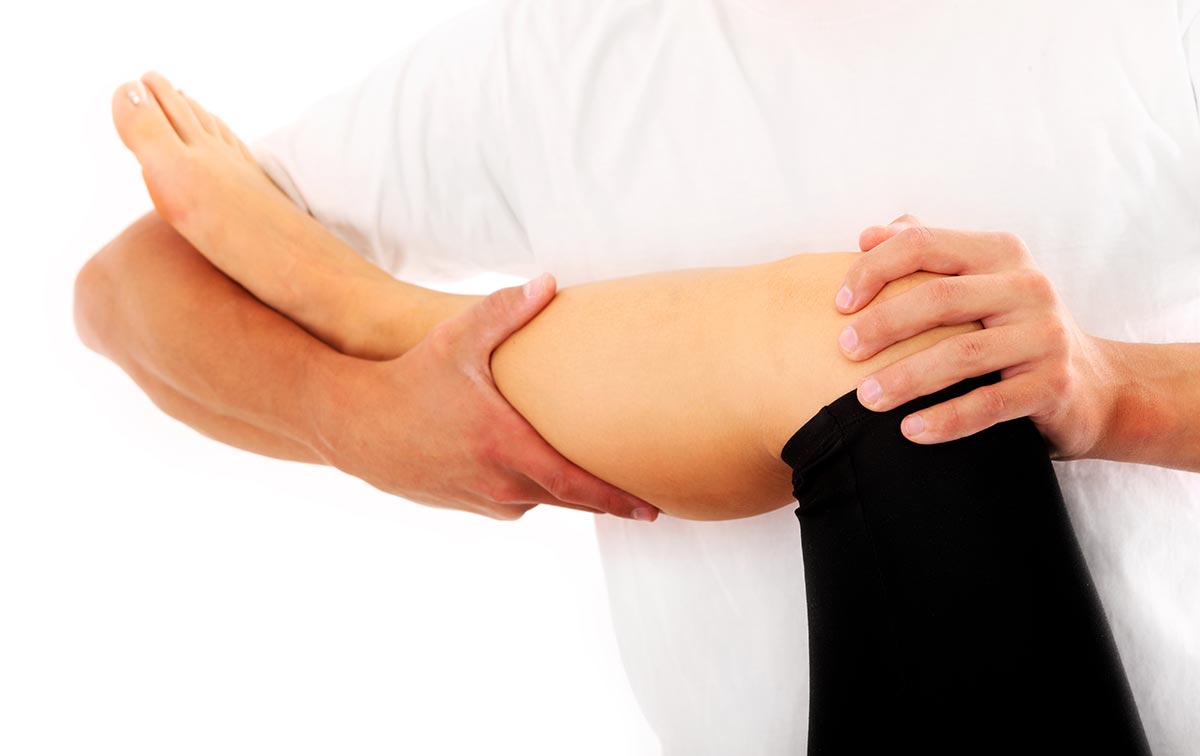
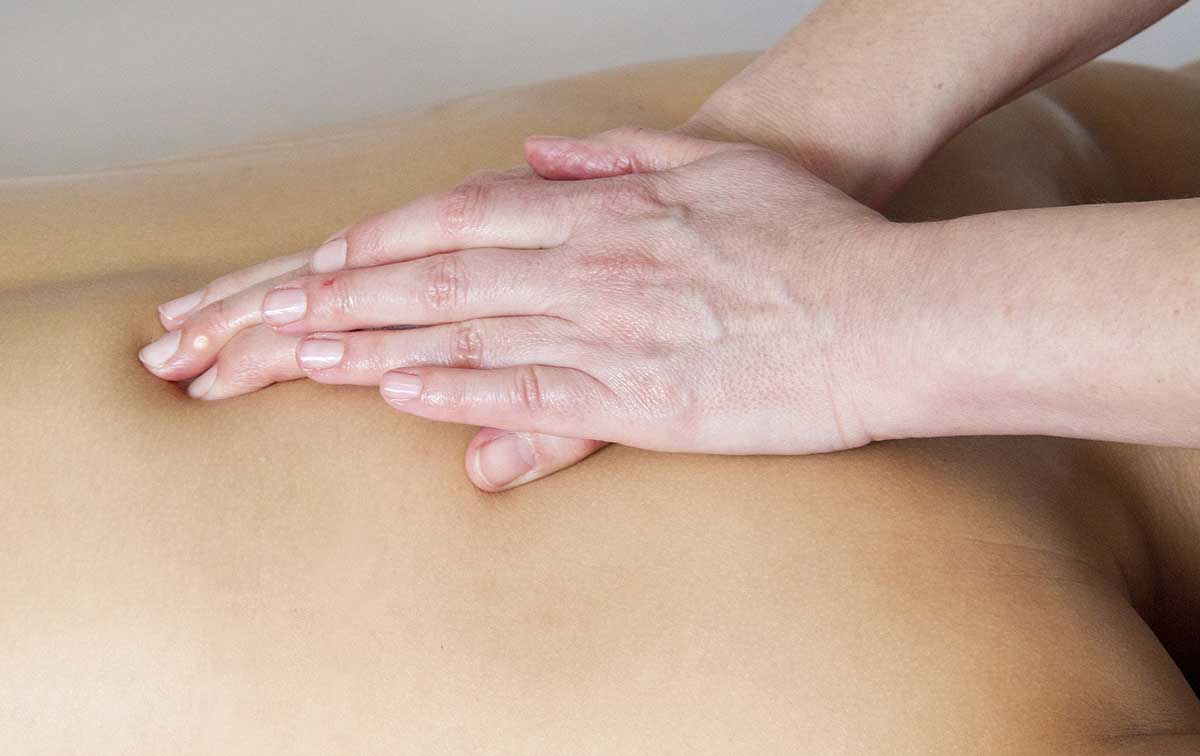
Osteopathy is a manual, complementary approach used for prevention and care, with the goal of supporting optimal function and well-being.
It draws on knowledge of anatomy and physiology as well as palpation. Its distinctive feature is a whole-person perspective and a search for factors that may contribute to the concern being presented.
What happens during the assessment?
The treatment plan is established after an assessment that may include a health history, palpation, observation and tests of position, mobility and vitality. The osteopath then identifies restrictions to address using gentle, precise and safe manual techniques.
An evolving discipline
The principles of osteopathy were established in 1874 by American physician Andrew Taylor Still. The profession has continued to evolve through clinical experience, education and research.
Training and practice in Québec
Osteopathic training pathways can vary in Québec. Patients are encouraged to learn about the education and experience of the osteopath they consult.
Useful links:
Ostéopathie Québec